
Trusted Robotics and Physical AI
Ensuring robotics operate as designed with hardware-based security
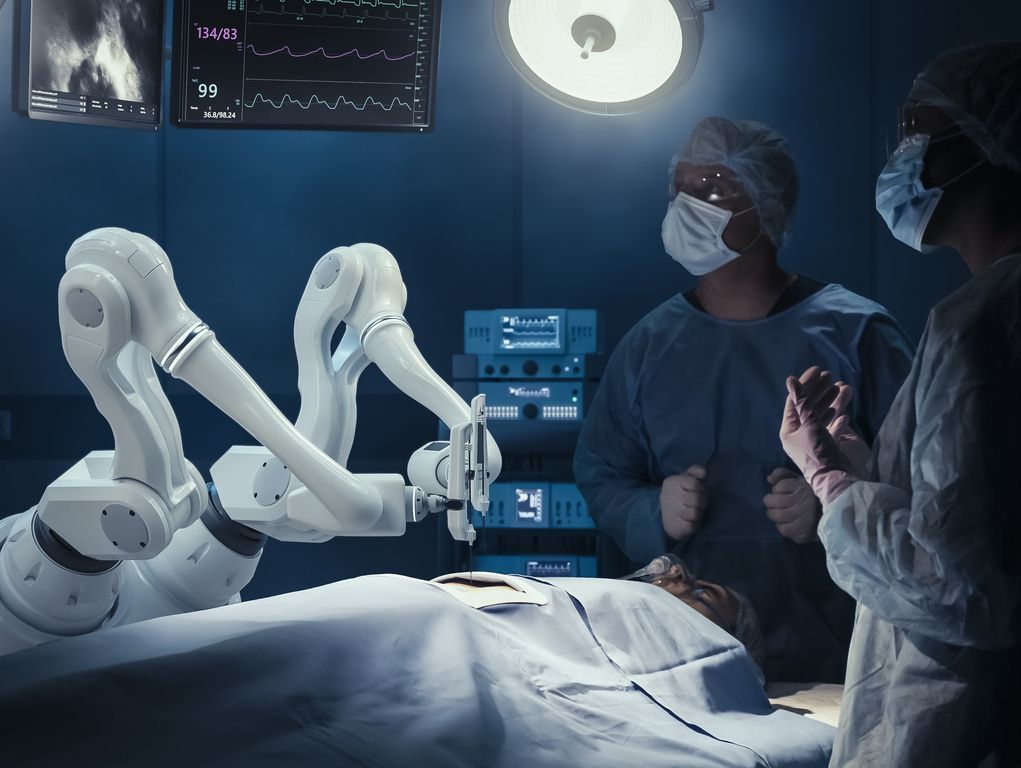
Trust in Physical AI and robotics means
- The device cannot be taken over
- Decisions are based on unmodified data and models
- The system behaves exactly as designed
- Sensitive real-world data remains protected
- Reduced risk of potential risk to health or safety in the physical world
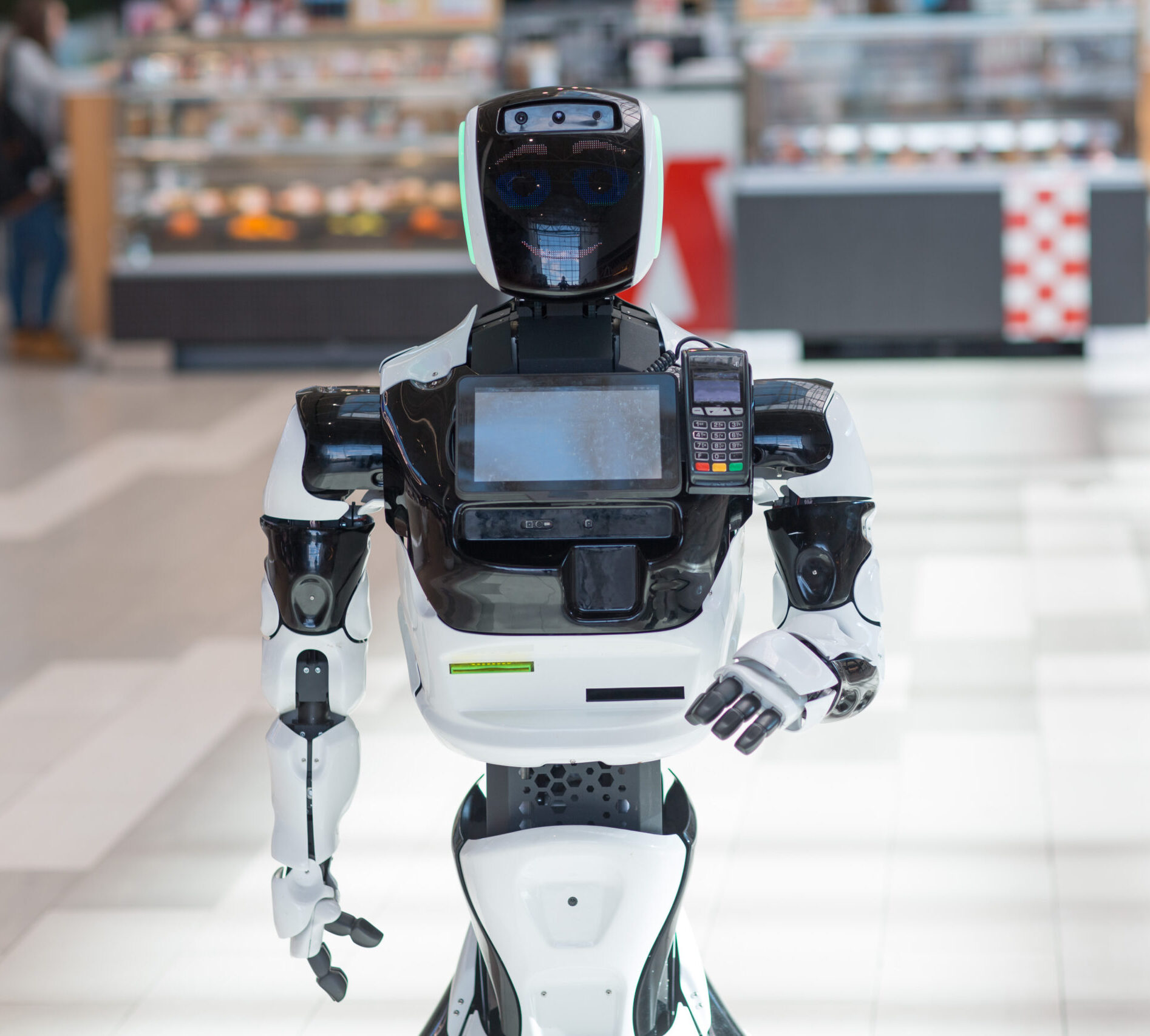
Trust in Physical AI and robotics means
- The device cannot be taken over
- Decisions are based on unmodified data and models
- The system behaves exactly as designed
- Sensitive real-world data remains protected
- Reduced risk of potential risk to health or safety in the physical world
This is Achieved with Hardware-Based Cryptography
Predictable system behavior
- Security does not introduce variability, ensuring reliable and deterministic operation
Reduced attack surface
- Fewer entry points lower the risk of unauthorized access or manipulation
Stronger system integrity and security
- Data, models, and system behavior remain protected from tampering and capture by malicious actors
Xiphera enables these requirements by implementing cryptograhic security directly in an FPGA or ASIC.
Security IP designed
for Robotic Systems
Real-time
performance
Low-latency security for fast and predictable AI decisions.
Safety-critical
operation
Minimized risk in real-world environments.
Energy
efficiency
Optimized for battery-powered and mobile systems.
Reduced software-
related vulnerabilities
Less exposure to risks introduced by software layers.
Xiphera's hardware security highlights for Physical AI and Robotics
nQrux® Crypto Module
Customizable hardware-based cryptographic platform for microcontrollers and SoCs, ensuring data confidentiality, integrity, and authenticity.

nQrux® Quantum Secure Boot
Hardware-based secure boot solution using hybrid ECDSA and ML-DSA signatures to ensure firmware authenticity and integrity, with readiness for future quantum threats.

nQrux® Confidential Computing Engine
Hardware-based confidential computing solution for cloud and edge, protecting data, code, and AI workloads with hardware isolation, access control, and secure communication.
Security Protocols
Xiphera’s cryptographic Security Protocol portfolio, including widely used MACsec, IPsec, and TLS 1.3 protocols, secures point-to-point communication as well as server-client connections over the Internet.
BLOG POST

The Rise of Physical AI and Robotics: Why Hardware-Based Security is Non-Negotiable
From agriculture to surgery and transportation, physical AI and robotics are transforming industries. Robots assist in planting, harvesting, and crop health monitoring, while AI-driven systems revolutionize surgery and Unmanned Aerial Vehicles (UAVs) redefine transportation. Yet, as their role expands, so does the urgency to secure them effectively.

FAQ
How do you secure robotics and physical AI systems?
By embedding cryptography directly into hardware, security becomes part of the system itself. This helps ensure devices cannot be taken over and that decisions are based on trusted data.
Why is software-only security not enough in robotics?
Robotic systems operate in real-world environments where timing and reliability matter. Software-based security can introduce variability and more attack points, while hardware-based security provides more predictable and robust protection.
How does hardware-based security reduce risk in robotics?
It reduces dependency on software, limits possible attack paths, and helps ensure the system behaves as designed without unauthorized changes.
How is security integrated into robotics systems?
Security is integrated as IP cores into FPGA or ASIC designs, making it part of the device architecture rather than an add-on.
Benefits of Hardware-based Cryptography
In the first video of Xiphera’s 6-part series, we dive into the benefits of true hardware-based cryptography. Unlike software-based solutions, our hardware implementations are embedded directly into the device’s core, ensuring higher security, better performance, and lower energy consumption. Take a look and see how Xiphera is redefining data protection at its roots.
Our Customers