

Xiphera Receives Its First US Patent

The patent is for Method of Providing a Secret Unique Key for a Volatile FPGA, and is a continuum to the patent granted by the Finnish Patent and Registration Office.
Xiphera receives its first US patent.

Xiphera receives a patent from the United States Patent and Trademark Office. More specifically, the patent is for Method of Providing a Secret Unique Key for a Volatile FPGA, and is a continuum to the patent granted by the Finnish Patent and Registration Office (PRH).

Patent is a right to exclude the commercial usage and utilisation of an intellectual property from others than the owner of a patent. Patents give you the rights to your own innovation, making the innovation still open for the public to see. Especially in the field of technology, it is vital to guarantee the ownership of your innovation and product by patenting it.
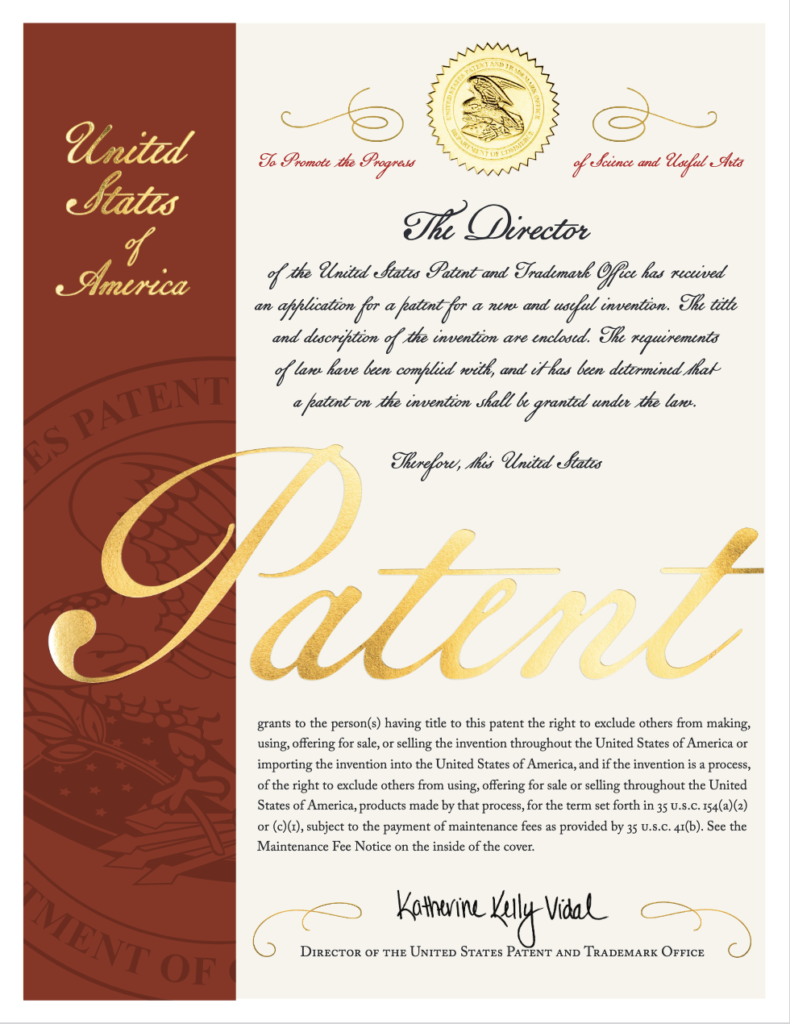
Xiphera’s patent was granted by the US Patent and Trademark Office.

“The extension of the geographical coverage to the United States of our first patent is an important milestone for Xiphera, and we are very excited about the news”, says Matti Tommiska, co-founder and CEO of Xiphera.

Read more
Japan is a focus market for Xiphera’s cryptographic hardware security solutions, and we are pleased to welcome Yasuhiro Okumura as our new Country Manager for Japan. His appointment strengthens our local presence and supports our continued growth in the region.
Xiphera has been selected for a new project under the European Space Agency’s (ESA) ARTES programme. The project will focus on developing a high-speed security IP core for optical satellite communications, further strengthening Xiphera’s position as a provider of advanced hardware-based cybersecurity solutions for the space sector.
17 June 2026. Espoo, Finland. Xiphera, the hardware-based cryptographic solutions expert, has announced a collaboration with Agile Analog, the analog security IP specialist. The integration of Xiphera’s digital cryptographic cores and Agile Analog’s agileSecure anti-tamper sensor IP creates a unified defense solution for the next generation of semiconductor security. This is particularly important as the industry transitions to Post-Quantum Cryptography (PQC).